
Robert Rees
Chief Executive & Clinic DirectorMUKCP MBACP
Discover the emerging connection between ADHD, chronic health issues, and the body’s stress and immune systems. This session introduces the Somatic Super-Syndrome - a powerful new lens linking neurodiversity with physical health, and offering practical tools for regulation, recovery, and deeper understanding.
Join Dr. James Kustow and Robert Rees for a powerful one-hour talk that introduces a systemic and somatic perspective on adult ADHD.
While ADHD is commonly viewed through behavioural or neurological lenses, Dr. Kustow invites us to widen our focus to include the body. Drawing on clinical experience and emerging research, he explores how ADHD frequently co-exists with a cluster of physical health conditions, offering a more integrated framework for understanding the condition and its broader impacts.
At the heart of the talk is the “Somatic Super Syndrome” (3S) model, a lens through which to view the overlapping presence of hypermobility syndromes, dysautonomia, and immune hypersensitivities – particularly Mast Cell Activation Disease (MCAD) and autoimmune tendencies. These conditions, often misunderstood or misdiagnosed, appear with surprising frequency in people with ADHD. Dr. Kustow explores why this might be the case and what it means for assessment, treatment, and support. Ideal for clinicians, coaches, and anyone interested in a more holistic understanding of neurodiversity.
Whether you’re new to ADHD or looking to deepen your expertise, this session offers valuable insights into the mind-body connection and opens the door to more compassionate, comprehensive care.
MUKCP MBACP

Dr James Kustow is a London-based Consultant Psychiatrist and The Grove’s Medical Director.

Compulsive engagement with screens and social media is a contemporary behavioural addiction that often hides in plain sight. This 2 hour clinical webinar explores screen and social media use through psychological, relational and neurobiological lenses, equipping you to work with clarity, confidence and ethical balance.
The Addiction Series - Social media and screens
(Session 3 of 5 in series)
Wed, October 14th
17:30 PM - 19:30 PM

This webinar introduces the Adjustment model, exploring how breath, posture and movement shape clients’ emotional lives and how small, consent‑led changes can open more embodied space in therapy.
The Body Psychotherapy Series
Session 1 of 4
Friday 6th November
14:00-16:00 (UK)

Drug use often begins as an adaptive response to distress, trauma and disconnection, yet it carries significant risk, harm and clinical responsibility. This 2 hour clinical webinar offers a nuanced, non reductive exploration of substance use through psychological, relational and neurobiological lenses, equipping you to work with clarity, containment and ethical precision.
The Addiction Series - Drugs
(Session 4 of 5 in series)
Wed, November 11th
17:30 PM - 19:30 PM

This session focuses on the Trauma/Discharge model, showing how to recognise and safely support somatic release of stored survival energy without tipping clients into re‑traumatisation.
The Body Psychotherapy Series
Session 2 of 4
Friday 27th November
14:00-16:00 (UK)
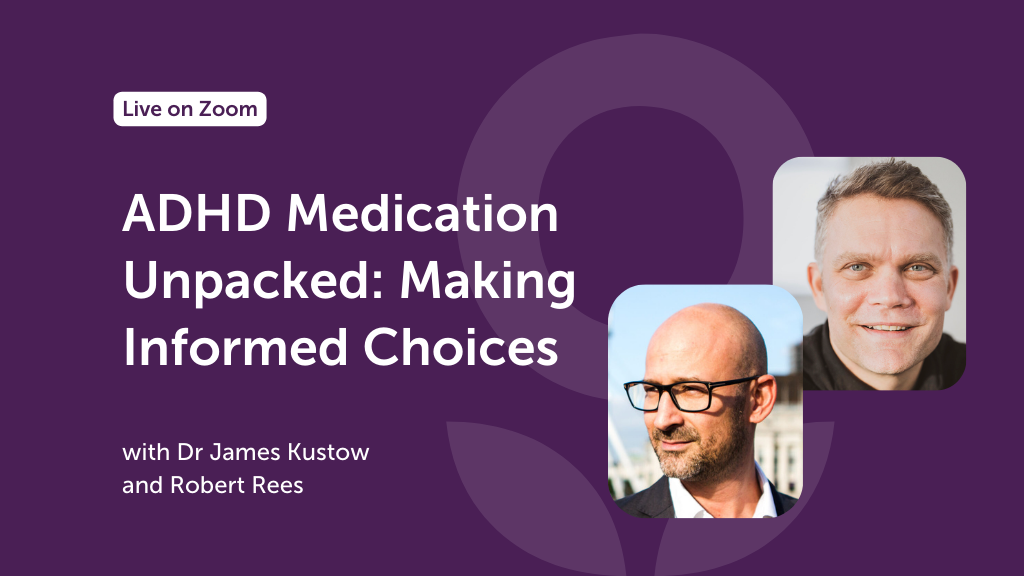
Date: Tuesday 1st December 2026
Time: 6:30–7:45pm (UK time)
Location: Online via Zoom
Fee: £25 (inclusive of VAT)
A 75-minute live webinar with Dr. James Kustow offering an evidence-based overview of ADHD medication. Learn how different medications work, what to expect from titration, common side effects, and how treatment fits alongside therapy and lifestyle strategies. Ideal for adults considering medication, currently taking it, or supporting someone who is.
Please note this is a paid for event.

This webinar explores the Relational model, highlighting how two bodies co‑create the therapeutic relationship and how your own embodied responses can become vital clinical information.
The Body Psychotherapy Series
Session 3 of 4
Friday 4th December
14:00-16:00 (UK)

Work addiction and burnout are often socially rewarded yet clinically significant patterns. The impact on health, relationships and meaning in life can be profound. This 2 hour clinical webinar explores work related addiction through psychological, relational and neurobiological lenses, equipping you to work with clarity, confidence and ethical balance.
The Addiction Series - Work
(Session 5 of 5 in series)
Wed, December 9th
17:30 PM - 19:30 PM

This final session of four sessions looks at the Process‑oriented model, inviting you to follow spontaneous bodily process in the moment and trust the bodymind’s capacity for self‑organisation within a solid therapeutic frame.
The Body Psychotherapy Series
Session 4 of 4
Friday 8th January
14:00-16:00 (UK)
How to Thrive with Adult ADHD: An Expert-Led Seminar
Date: 12th January 2027
Time: 18:30 - 19:30 PM
Hosts: Dr. James Kustow and Robert Rees
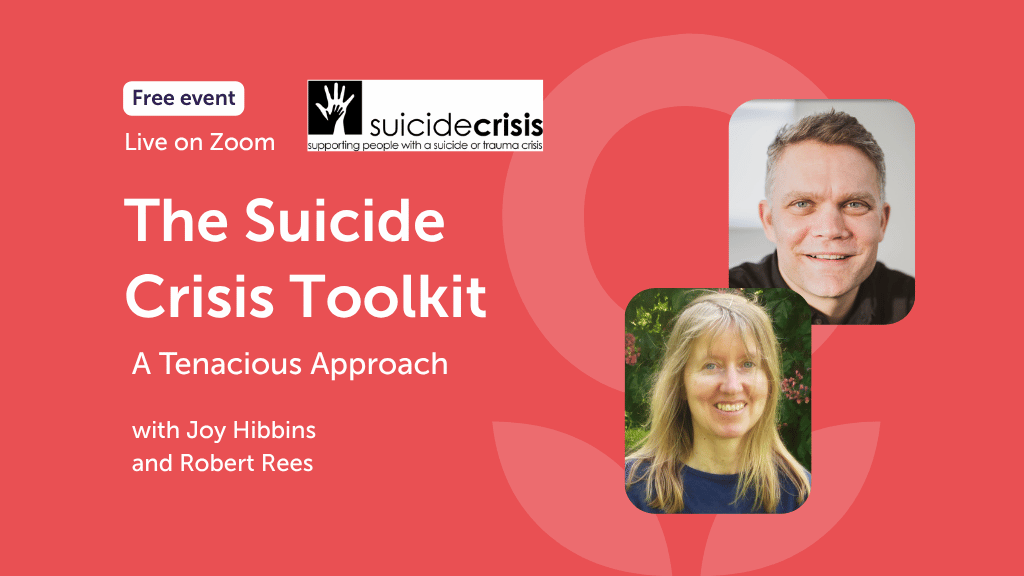
The Suicide Crisis Toolkit: A Tenacious Approach
Tuesday 19th January 5pm-6pm UK
Joy Hibbins and Robert Rees
Live on Zoom
Free to attend
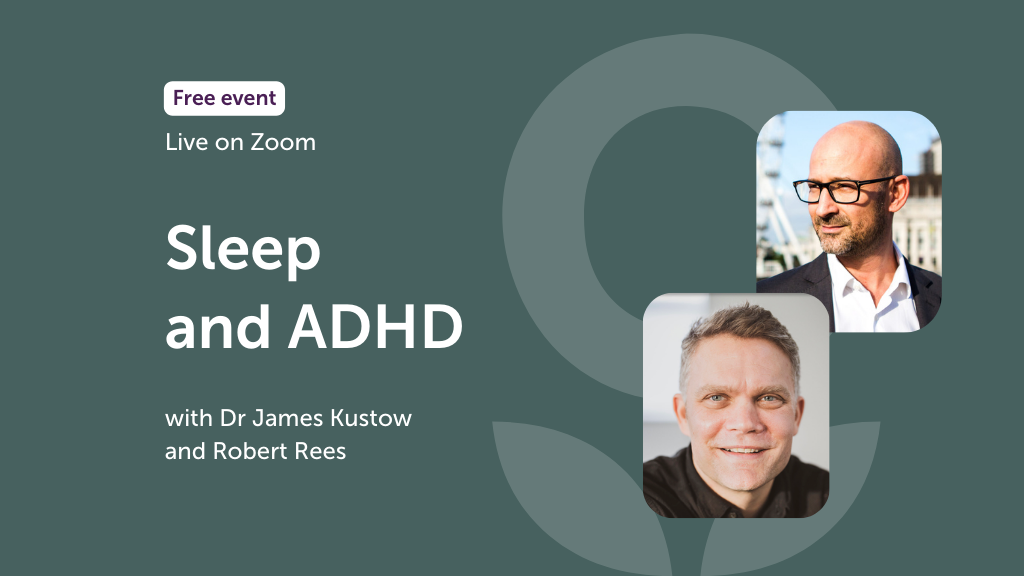
Sleep and ADHD have a complex, two-way relationship. For many adults with ADHD, difficulties winding down, restless nights, and irregular sleep patterns are more than side effects - they’re central to how the condition expresses itself. In this 60-minute webinar, Dr James Kustow and Robert Rees unpack how disrupted sleep rhythms affect attention, emotion, and motivation - and what can be done about it.
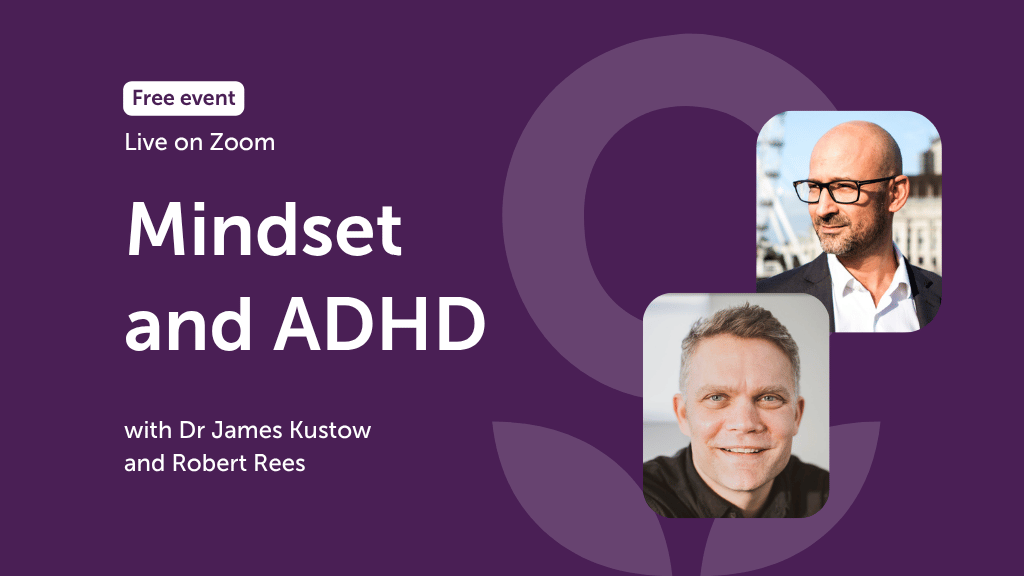
Date: Tuesday 9th March 2027
Time: 6:30–7:30pm (UK time)
Location: Online via Zoom
Explore how mindset shapes the ADHD experience and learn practical tools to shift unhelpful patterns in this live online workshop.

Date: Tuesday 11th May 2027
Time: 6:30–7:30pm (UK time)
Location: Online via Zoom
Every person with ADHD has a unique ‘signature’, a distinct pattern of strengths, challenges, and ways of processing the world. Understanding and working with this personal ADHD signature can transform self-awareness and deepen therapeutic outcomes.
Discover the emerging connection between ADHD, chronic health issues, and the body’s stress and immune systems. This session introduces the Somatic Super-Syndrome - a powerful new lens linking neurodiversity with physical health, and offering practical tools for regulation, recovery, and deeper understanding.
A careful look at the overlap between autism and ADHD, asking what it means when these presentations coexist, how they may interact, and why the combination can create a distinct and sometimes confusing clinical picture.
How ADHD can present differently in women across the lifespan, including the ways it may be masked by high achievement, people-pleasing, anxiety, emotional overwhelm, perfectionism, or chronic self-doubt.

Tuesday 1st December 2026
6:30-7:45pm (UK time)
Online via Zoom
£25 (inclusive of VAT)
Join us for an accessible, high-quality session that brings clarity to one of the most important, and often confusing, aspects of ADHD treatment. Discover how ADHD medication works, what to expect, and how to make confident, informed choices about treatment.
Register now