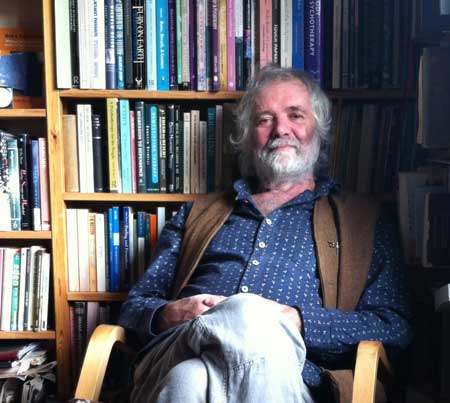
Nick Totton
Therapist, supervisor, author, trainer and workshop leaderNick Totton is a pioneering figure in the field of embodied psychotherapy.
This final session of four sessions looks at the Process‑oriented model, inviting you to follow spontaneous bodily process in the moment and trust the bodymind’s capacity for self‑organisation within a solid therapeutic frame.
The Body Psychotherapy Series
Session 4 of 4
Friday 8th January
14:00-16:00 (UK)
 In-depth clinical learning on a key area of practice, guided by leading experts.
The Process model takes the idea of supporting a natural healing process even further. In its pure form, it drops the language of “healing” and the notion that anything is wrong that needs to be corrected. Working very much in the present moment, this approach welcomes whatever occurs as the right thing – allowing the client’s bodymind to act rather than be acted on, and to generate motifs freely and playfully.
The ruling metaphor here is a river which, once undammed, flows powerfully to the sea. In this 2‑hour webinar, we will explore what it means to trust that flow: letting go of rigid theory, fixed treatment plans and ideas of normality, and instead following the process that is unfolding between therapist and client.
A central strength of this model is that it avoids privileging the therapist’s version of reality, health and normality. It assumes that, given any real opportunity, trauma and misadjustment will tend to self‑repair – and that events which look wild, messy or confusing can be vital parts of that process, rather than deviations from it.
We’ll also consider how to weave together all four models from the series: Adjustment, Trauma/Discharge, Process‑oriented and Relational. There will be space towards the end of the session to reflect on integration – how these models can inform one another in your day‑to‑day work, rather than sitting in separate boxes.
By the end of this session, you will be able to:
The Body Psychotherapy Series is a four‑part Grove Series CPD pathway with Nick Totton and Robert Rees, exploring adjustment, trauma discharge, relational and process‑oriented models of body psychotherapy.
You can book this event on its own for £30 (optional CPD & recording purchase available), choose selected sessions, or purchase the full series as a bundled CPD course for a discounted rate of £120 (includes CPD certificates and recordings).
To only purchase selected events, follow the links below to visit each event page, or click here to go directly to the purchase page.
All on Zoom, 14:00-16:00 (UK time)
The Body Psychotherapy Series offers concise, bitesize CPD, with four 2-hour sessions spread across the year.
Over four live webinars, Nick Totton and Robert Rees will explore how any therapist, regardless of primary modality, can weave the essence of body psychotherapy into their day‑to‑day practice. Across the series, we will study four distinct but interlocking models of body psychotherapy - adjustment, trauma discharge, relational and process‑oriented ways of working - each of which may be most helpful at different points in the therapeutic journey.
Nick Totton is a pioneering body psychotherapist, supervisor and trainer, known for developing Embodied‑Relational Therapy and for his writing on Wild Therapy, embodied relating and the deconstruction of “normality” in psychotherapy. He is joined by Robert Rees, an experienced psychotherapist and trainer who has previously taught embodied and trauma‑focused approaches with The Grove.
Nick Totton is a pioneering figure in the field of embodied psychotherapy.

MUKCP MBACP
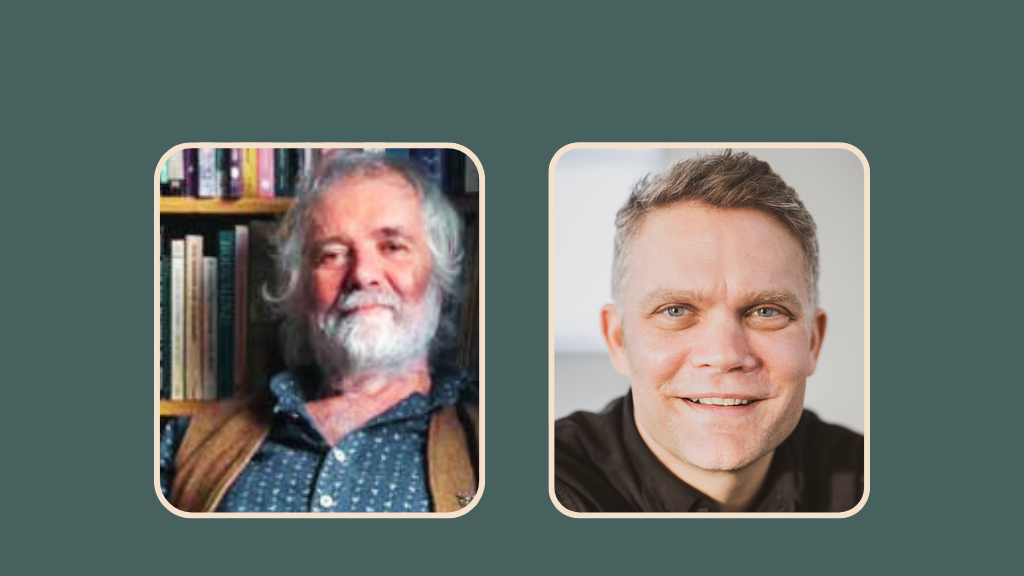
This webinar introduces the Adjustment model, exploring how breath, posture and movement shape clients’ emotional lives and how small, consent‑led changes can open more embodied space in therapy.
The Body Psychotherapy Series
Session 1 of 4
Friday 6th November
14:00-16:00 (UK)
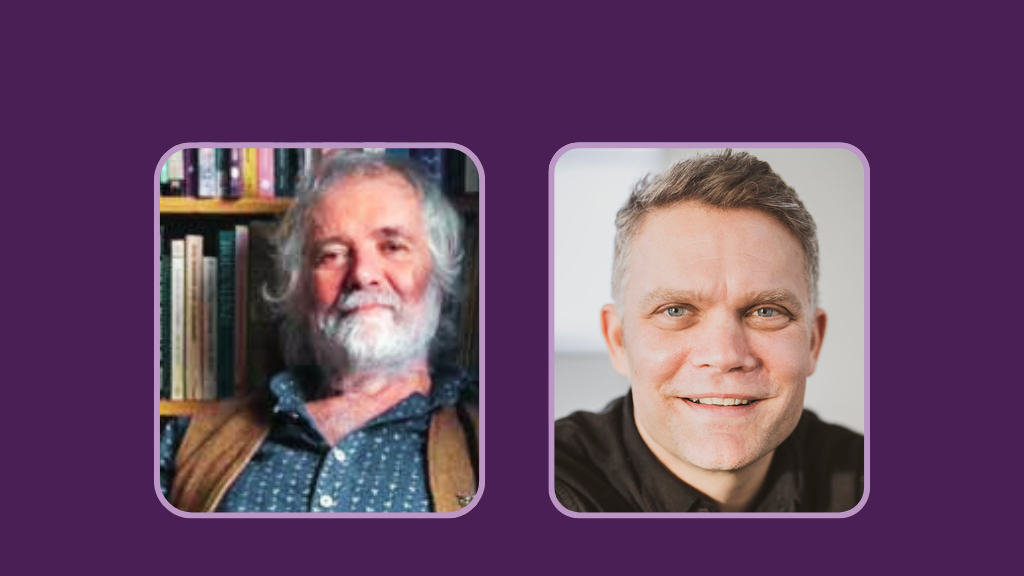
This session focuses on the Trauma/Discharge model, showing how to recognise and safely support somatic release of stored survival energy without tipping clients into re‑traumatisation.
The Body Psychotherapy Series
Session 2 of 4
Friday 27th November
14:00-16:00 (UK)
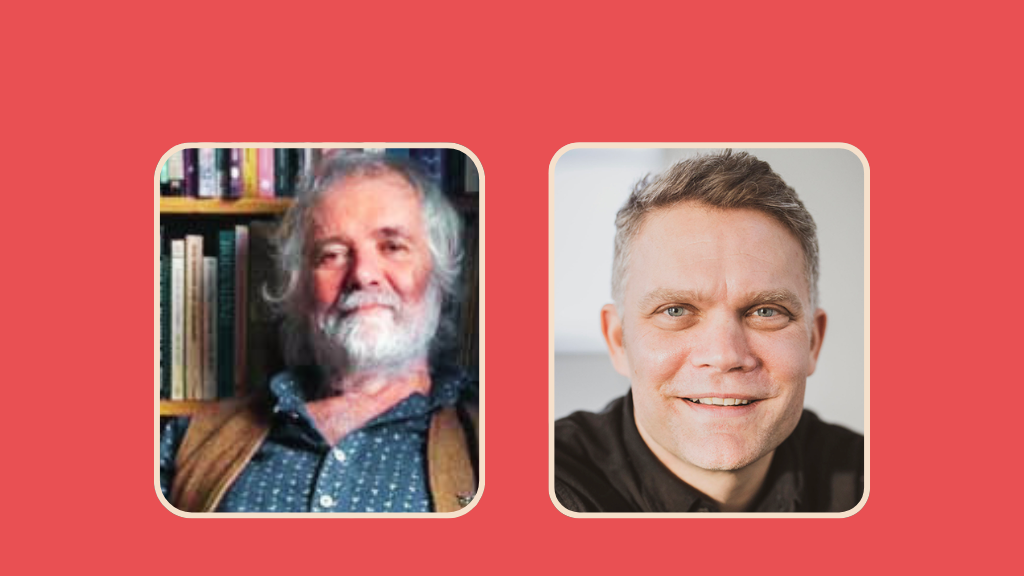
This webinar explores the Relational model, highlighting how two bodies co‑create the therapeutic relationship and how your own embodied responses can become vital clinical information.
The Body Psychotherapy Series
Session 3 of 4
Friday 4th December
14:00-16:00 (UK)
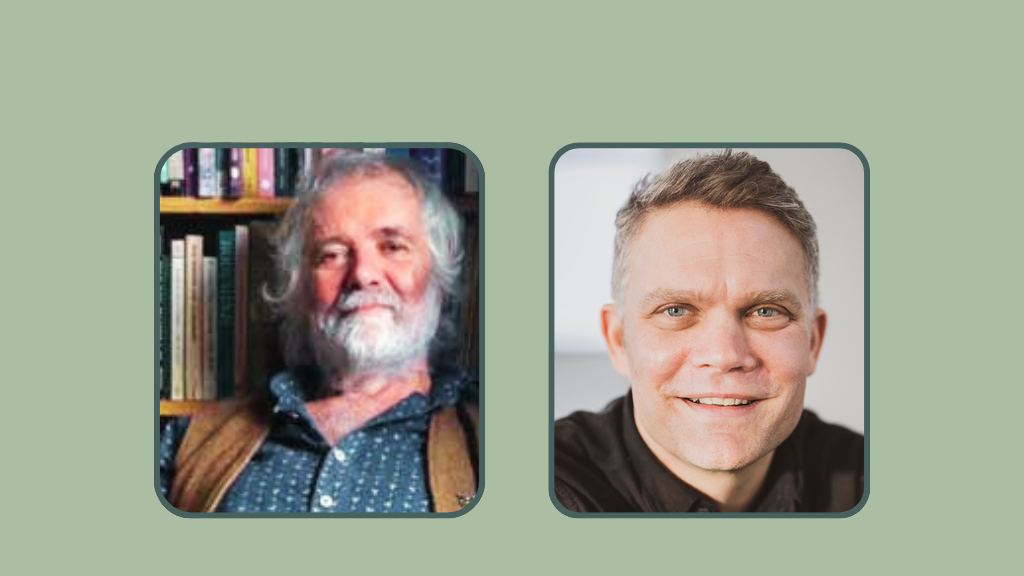
This final session of four sessions looks at the Process‑oriented model, inviting you to follow spontaneous bodily process in the moment and trust the bodymind’s capacity for self‑organisation within a solid therapeutic frame.
The Body Psychotherapy Series
Session 4 of 4
Friday 8th January
14:00-16:00 (UK)
Monday 1st December 2026
6:30-7:45pm (UK time)
Online via Zoom
£25 (inclusive of VAT)
Join us for an accessible, high-quality session that brings clarity to one of the most important, and often confusing, aspects of ADHD treatment. Discover how ADHD medication works, what to expect, and how to make confident, informed choices about treatment.
Register now