
Dr Roberta Babb
Director and owner of Third Eye PsychologyDr Roberta Babb (BSc Hons, MSc, DClinPsych, CPsychol CSci AFBPsS).
This course delivers what you need to know and what you need in practice to provide an inclusive therapy space. This training is delivered in modules so you can study at your own pace towards being awarded the Certificate in Inclusive Practice. This training in total provides a comprehensive toolkit for intersectional responsiveness with skilful ways to broach therapy conversations about sensitive areas of identity and social positionality starting in April 2026.

This training is a modular five-day Continuing Professional Development (CPD) programme is designed for qualified psychologists, psychotherapists, therapists, and psychological practitioners who are committed to advancing equity, inclusion, and justice within their professional practice.
Grounded in an intersectional framework, this programme offers a rich and challenging exploration of how multiple, overlapping identities shape therapeutic relationships, client experiences, and practitioner responses. With intentional coverage of intersectional characteristics (including those visible or invisible characteristics protected under the Equality Act 2010), the course unpacks how identity, power, and systemic inequality intersect within clinical contexts.
This adult learning environment respects and values the lived experience of each student, as well as their individual work setting, client group, and therapeutic approach. The programme is designed to be both supportive and evocative, encouraging deep personal and professional reflection alongside robust peer dialogue. This ethos fosters meaningful learning and group wisdom, in line with The Grove’s commitment to transformative education.
Sessions integrate psychoeducation, experiential learning, reflective practice, case discussion, and ethical inquiry. Participants will critically examine their own positionality, develop tools for intersectionally-attuned and inclusive practice, and gain confidence in working sensitively and skilfully with difference, sameness and diversity. The final session focuses on review and integration, culminating in the understanding of how to embed intersectional awareness into everyday clinical practice.
A curated reading list will accompany each module, supporting students ongoing development beyond the classroom.
This programme is for qualified practitioners who are ready to reflect, stretch, and grow, personally and professionally, in service of creating more inclusive, intersectionally-responsive, and compassionate psychological care.
If you are committed to this inclusive endeavour, our course will inform and equip you for deeper responsiveness in your therapy work.
If you are unskilled yet curious maybe afraid of saying the wrong thing or worried about the risk of offending clients or supervisees unintentionally, this course will give you the knowledge and tools that are immediately usable in your therapy work.
The course will be taught by a number of facilitators, led by Dr Roberta Babb who has designed this training. There will be multiple voices bring to life the importance of lived experience in the formation of intersectional identity. Other presenters include Silva Neves and Sarah Briggs, with additional tutors also joining the facilitator team.
Dr Roberta Babb (BSc Hons, MSc, DClinPsych, CPsychol CSci AFBPsS).
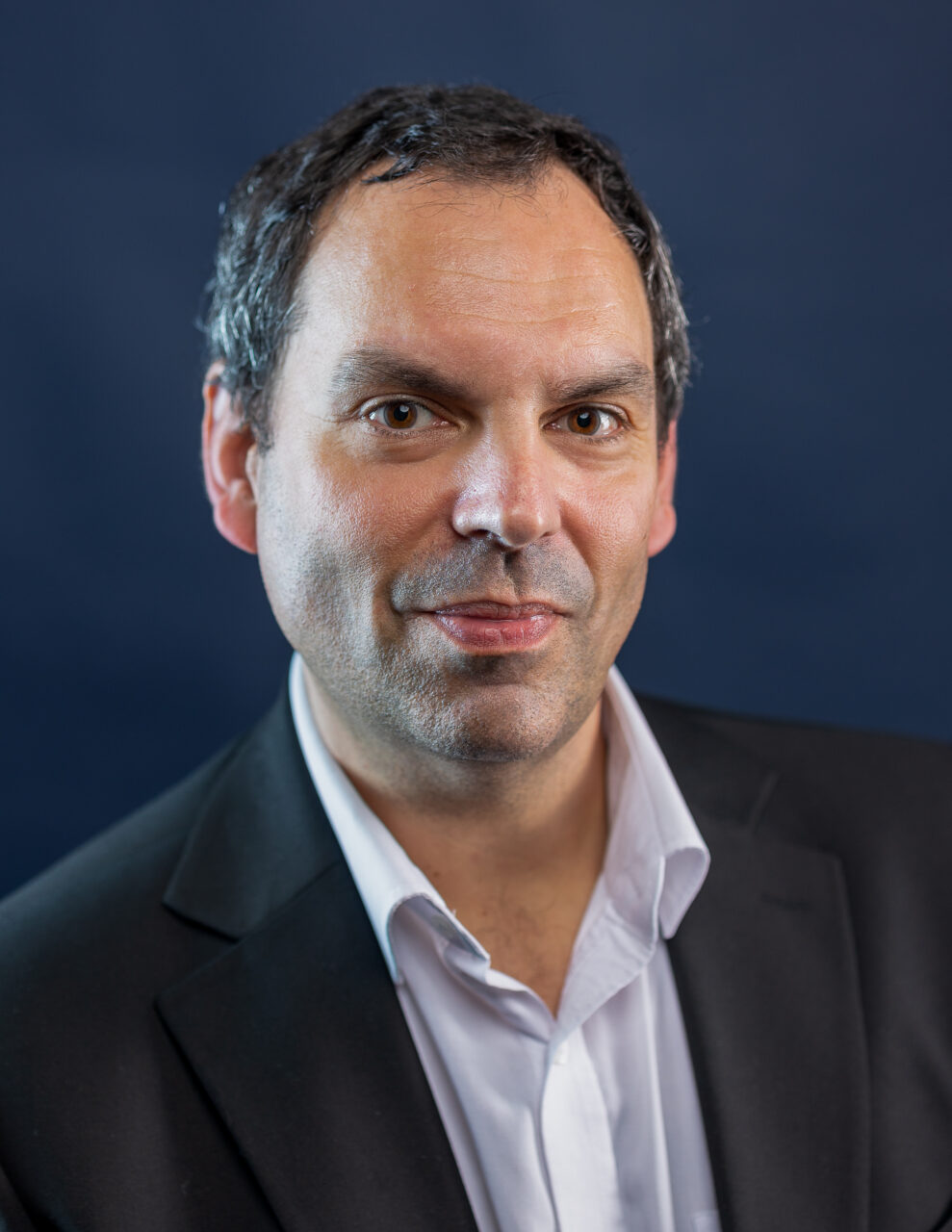
COSRT-accredited and UKCP-registered psychosexual and relationship psychotherapist

Therapist and supervisor accredited by BACP and COSRT. Trauma and relationship specialist.
The programme will offer attendees an opportunity for attendees to:
This training addresses all the protected characteristics in the UK’s Equality Act 2010. Among other things, this legislation requires us to act in accordance with the desirability of reducing socio-economic inequalities; to be aware of discrimination and harassment related to certain personal characteristics; to enable certain employers to be required to publish information about the differences in pay between male and female employees; to prohibit victimisation; to show regard to eliminating discrimination; to increase equality of opportunity. There are certain protected characteristics within this legislation which chime with therapists’ obligations about providing clients with access to non-discriminatory therapy services.
This course fuses the legal framework with intentional ways of adapting therapy practice in a more inclusive way. This course is practical, covering ways of broaching these topcs, being curious and conscious about social positionally, along with a growing ability to frame therapeutic conversations which address systemic factors affecting the lives of clients or supervisees.
This course covers important characteristics and topic areas involved with identity, specifically:
Each section of the course will address specific areas raised by this set of characteristics, in a contemporary yet practical way.
A toolkit of resources and ways of working is intrinsic to this training, to equip and empower the practice of each attendee in each individual’s work context and client group/s.
This training includes a range of learning formats including teaching by the tutors, group discussion, working in smaller groups and experiential skills practice.
Applicaitons are now closed for the Foundation Module on Saturday 25 & Sunday 26 April 2026:
This is a mandatory weekend for the award of the Certificate in Inclusive Practice.
This initial foundation module covers the principles of Diversity, Equity, and Inclusion. Intersectional competence and social identity are also addressed with principles of inclusive practice. Trauma concepts are also woven into the material, along with key elements of anti-oppressive practice.
Time on the course is allocated for the practical aspects of what to do, how to adapt your practice documentation and approach, along with what to say and how to hold space inclusively for therapeutic exploration – either in therapy or in supervision or in training spaces.
Timing each day in UK time zone: 10:00am – 5:00 including breaks.
Subsequent modules will be delivered as 1-day workshops on later dates in 2026.
Applications are open for the remaining dates in 2026
Saturday 4 July 2026
Tackling racism and oppressive beliefs: 1-day module
Tackling racism with anti-oppressive practice and decolonialising therapy, plus widening inclusivity of religion belief and spirituality.
Saturday 19 September 2026
Sex & relationship inclusivity: 1-day module
Relationship and sexual diversity in practice (including GSERD, Gender Sexual Erotic Relationship Diversity). Taught by Silva Neves and Dr Roberta Babb.
Saturday 24 October 2026
Different brains, different bodies: 1-day module
Neurodiversity competence covering autism and ADHD and other diverse brains; plus working clinically with issues around ableism / ability / disability / physcial accessibility / chronic health conditions. Taught by Dianne Zaccheo and Louise Brookes.
Saturday 28 November 2026
Integration into practice and case supervision: 1-day module
Led by Dr Roberta Babb and Sarah Briggs, this day is an opportunity to embed learning from earlier in the course, look through this lens at case material provided by delegates, solidifying chnages and intentions for inclusivity in each attendee’s practice.
After the full programme has been delivered across prior modules, we will invite reflection on how systemic inequality (such as money and class) bring impact across a lifespan – and importantly how we can shape our practice accordingly.
We may be joined by other panellists, to be confirmed.
Attendance at at least one prior module is a requirement before enrolling on this integration day.
The course fee includes all training materials and the CPD certificate of attendance issued by The Grove.
The fee for the 2-day Foundation Module is £300.
Each of the remaining 4 days of the modular course can be attended separately at an additional fee of £240 for each day.
Attendees for each module will receive a CPD certificate of attendance at 12 hours for the foundation weekend module, or 6 hours for a 1-day module.
When all modules have been completed (currently for a total of 5 days), the certification will be awarded upon successful completion of the course: Certificate in Inclusive Practice.
30 hours of CPD will be shown on the certificate.
It is intended that this CPD award can be signposted on websites or credentials, by those who complete the course, as evidence of commitment to furthering the cause of inclusivity in their practice.
Applicants are expected to be qualified and experienced professionals in a mental health or helping profession, who are established in their practice. This will be covered in the application form. All applicants are expected to:
The Grove Practice is accredited by NCIP (National Council for Integrative Psychotherapists) as a CPD training centre. As such, all The Grove’s courses are awarded NCIP accreditation for CPD (Continuous Professional Development).
This accreditation provides reassurance regarding high standards of teaching and course content.
The Grove’s courses have been successfully recognised as CPD for members of the following membership bodies: BACP, UKCP, COSRT, NCIP, NCPS, AHPP, BPS, among others. Organisations such as Relate and MIND and Place2B have also supported their therapists in taking training with The Grove. This is a mark of unofficial validation of our courses as worthy of being listed on the CPD logs for these members and organisations.
This course is taught at Level 5 equivalence. This training is a post-qualification course designed for mature professionals who are established in their way of working according to their original therapy training and who are drawn to learning more theory and practical skills for greater intersectional awareness and competence in their therapeutic practice . The designation “Level 5” is drawn from the numbered educational levels according to Ofqual’s Regulated Qualification Framework operating in England, Wales, and Northern Ireland. (Scotland has its own educational levels in place.) This is a post-qualification training which requires theoretical evaluation, self-reflection, and interpretation of how to apply the models in therapeutic settings such as clinical practice or multi-disciplinary teams in organisations. The Grove is setting its own courses at a training level in line with industry-wide language for setting the academic level of the course.
Our guidance to anyone researching CPD courses is to ask any training provider offering an Ofqual-regulated qualification at a particular Level to provide the Ofqual qualification number (which looks like this 601/8674/4). If the training provider cannot give this information for their course, then the course is unlikely to be allocated an official Level by Ofqual. In our view, any other course provider should state that their course is taught “at a level equivalent to Level x but is not a qualification regulated by Ofqual”. This approach is implemented by The Grove.
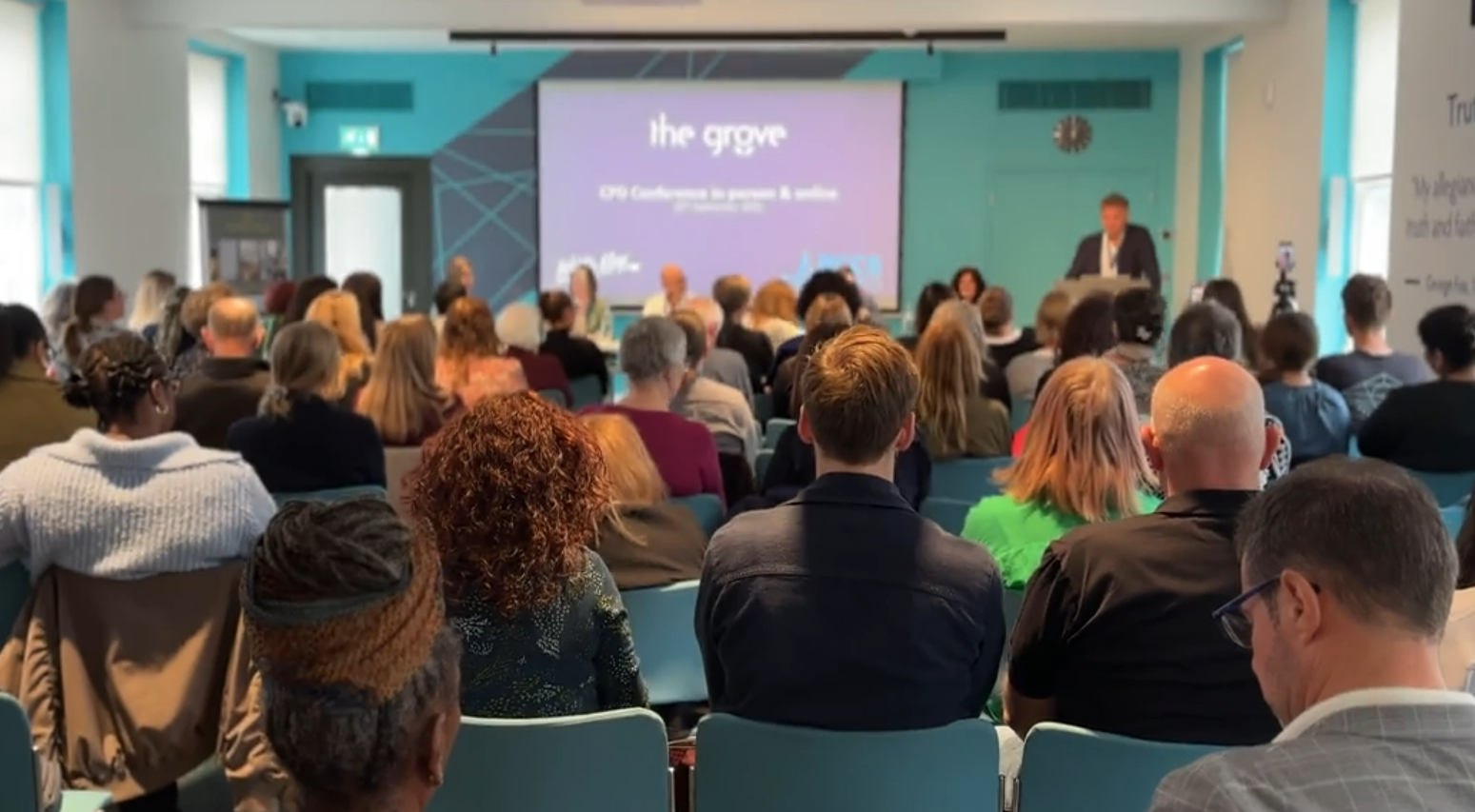
Friday 11 September 2026
13:00–17:00 on Zoom
A half-day of thoughtful, clinically grounded CPD learning in a warm, professional community. This conference is designed for practitioners who want to keep their work sharp, ethical and alive. Please note that in-person tickets are now sold out.
Register now