Releasing Held Pain: Trauma Discharge and the Body

This session focuses on “trauma discharge”, how shock and overwhelm are held in the body, and how therapists can safely support release without re‑traumatising. You’ll learn to recognise somatic signs of activation and shutdown, and to work with movement, breath and sequence so that clients can complete unfinished defensive responses.

The Body Psychotherapy Series
Session 2 of 4
Friday 27th November
14:00-16:00 (UK)

Focus event In-depth clinical learning on a key area of practice, guided by leading experts.

Event overview:

Trauma is often spoken about in terms of narrative, meaning and memory. Yet it is equally, and sometimes primarily, a problem of what the body still cannot complete.

Freezing, bracing, collapse and chronic agitation reveal survival responses that never had room to finish. These patterns can keep clients cycling between overwhelm, shutdown and apparent “stability” that actually rests on dissociation.

This 2‑hour clinical webinar focuses on “trauma discharge” within body psychotherapy – how to support the safe release and integration of stored survival energy, without forcing catharsis or re‑traumatising your client.

You’ll learn to track activation and settling in the body, and to work with movement, breath, sound and micro‑discharges in the context of a stable therapeutic relationship.

We will examine:

  • How trauma responses (fight, flight, freeze, fawn) manifest somatically
  • The difference between discharge that integrates and discharge that destabilises
  • Using orientation, breath and pacing to support regulation during release
  • How to notice and name early signs of overwhelm before clients tip into shutdown
  • The role of the therapist’s body and nervous system in co‑regulation

Clinical Takeaway

By the end of this session, you will be able to:

  • Recognise common somatic signs of traumatic activation, collapse and recovery
  • Differentiate between useful discharge and re‑enactment or flooding
  • Incorporate body‑based trauma interventions into existing therapeutic frameworks
  • Plan for safety when working near traumatic edges, including resourcing and titration
  • Use your own embodied responses to guide timing, boundaries and containment

This webinar forms part of The Body Psychotherapy Series

The Body Psychotherapy Series is a four‑part Grove Series CPD pathway with Nick Totton and Robert Rees, exploring adjustment, trauma discharge, relational and process‑oriented models of body psychotherapy.

Pricing and booking options

You can book this event on its own for £30 (optional CPD & recording purchase available), choose selected sessions, or purchase the full series as a bundled CPD course for a discounted rate of £120 (includes CPD certificates and recordings).

To only purchase selected events, follow the links below to visit each event page, or click here to go directly to the purchase page.

Dates and times

All on Zoom, 14:00-16:00 (UK time)

  1. Freeing the Breath: Adjustment in Body Psychotherapy – 6th November 2026
  2. Releasing Held Pain: Trauma Discharge and the Body – 27th November 2026
  3. Two Bodies in the Room: Relational Body Psychotherapy – 4th December 2026
  4. Following the Process: Spontaneity and Wildness in Body Psychotherapy – 8th January 2027
About this event

  • Date:27 November 2026
  • Time:2:00 pm - 4:00 pm (2 CPD hours)
  • Fee:Starting from £30 (VAT included)
  • Location:Live on Zoom, recordings available for purchase
Purchase tickets
Do you have a question? Get in touch with a member of the team who will be happy to help
Releasing Held Pain: Trauma Discharge and the Body Purchase tickets

Book all events as a Short CPD Course

Go to course
Wildness, embodiment & CPD with Nick Totton

The Body Psychotherapy Series

The Body Psychotherapy Series offers concise, bitesize CPD, with four 2-hour sessions spread across the year.

Over four live webinars, Nick Totton and Robert Rees will explore how any therapist, regardless of primary modality, can weave the essence of body psychotherapy into their day‑to‑day practice. Across the series, we will study four distinct but interlocking models of body psychotherapy - adjustment, trauma discharge, relational and process‑oriented ways of working - each of which may be most helpful at different points in the therapeutic journey.

  • 4 x 2-hour sessions
  • 8 hours
  • November 2026
Apply Details £120 inc VAT (or purchase events indidually)
Go to course

All Body Psychotherapy Series events

Body psychotherapy series with Nick Totton and Robert Rees

Freeing the Breath: Adjustment in Body Psychotherapy

Introducing the “adjustment” model of body psychotherapy, focusing on how breath, posture and movement both reflect and reshape a client’s inner world. You’ll explore practical, trauma‑sensitive ways to work with constriction and holding patterns so that clients can experience more space, flexibility and aliveness in therapy.

The Body Psychotherapy Series
Session 1 of 4
Friday 6th November
14:00-16:00 (UK)

Body psychotherapy series with Nick Totton and Robert Rees

Releasing Held Pain: Trauma Discharge and the Body

This session focuses on “trauma discharge”, how shock and overwhelm are held in the body, and how therapists can safely support release without re‑traumatising. You’ll learn to recognise somatic signs of activation and shutdown, and to work with movement, breath and sequence so that clients can complete unfinished defensive responses.

The Body Psychotherapy Series
Session 2 of 4
Friday 27th November
14:00-16:00 (UK)

Body psychotherapy series with Nick Totton and Robert Rees

Two Bodies in the Room: Relational Body Psychotherapy

This webinar explores relational body psychotherapy: how therapy is always happening between two bodies, and how the therapist’s somatic responses can become a vital source of information and intervention. You’ll learn to attend to the embodied relational field, including race, gender, ability and other differences, in ways that deepen connection and support more just practice.

The Body Psychotherapy Series
Session 3 of 4
Friday 4th December
14:00-16:00 (UK)

Body psychotherapy series with Nick Totton and Robert Rees

Following the Process: Spontaneity and Wildness in Body Psychotherapy

This final webinar focuses on a process‑oriented, “wild” approach to body psychotherapy: following what arises spontaneously in the moment rather than imposing fixed techniques. You’ll explore how to welcome bodily impulses, gestures and movements into the work while maintaining enough structure and safety.

The Body Psychotherapy Series
Session 4 of 4
Friday 8th January
14:00-16:00 (UK)

Meet your hosts

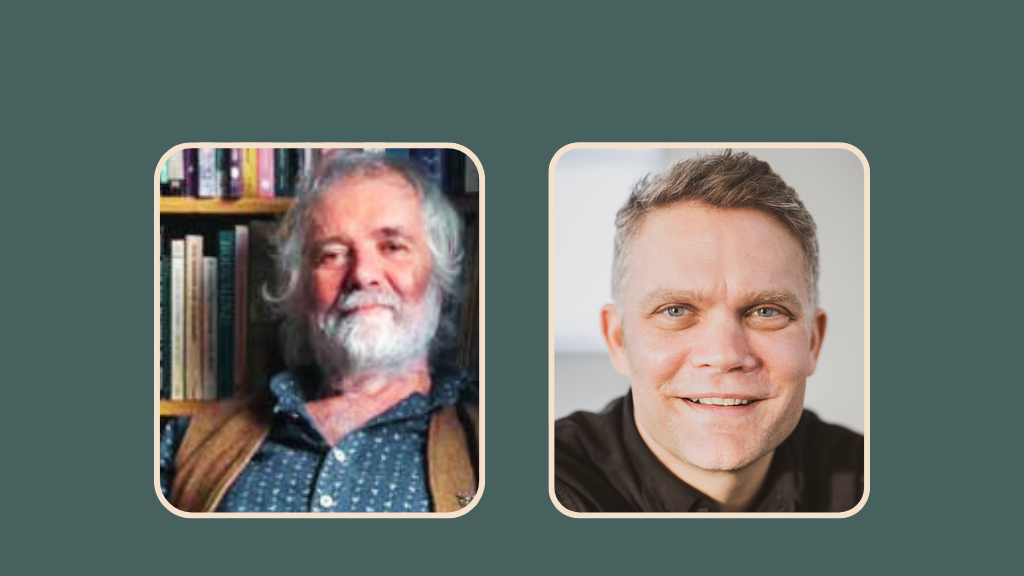
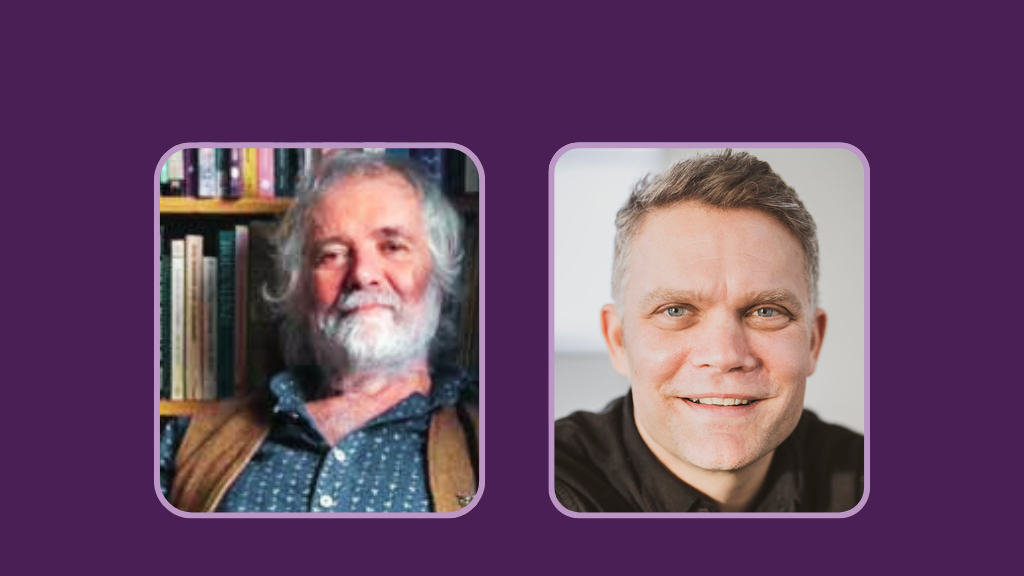
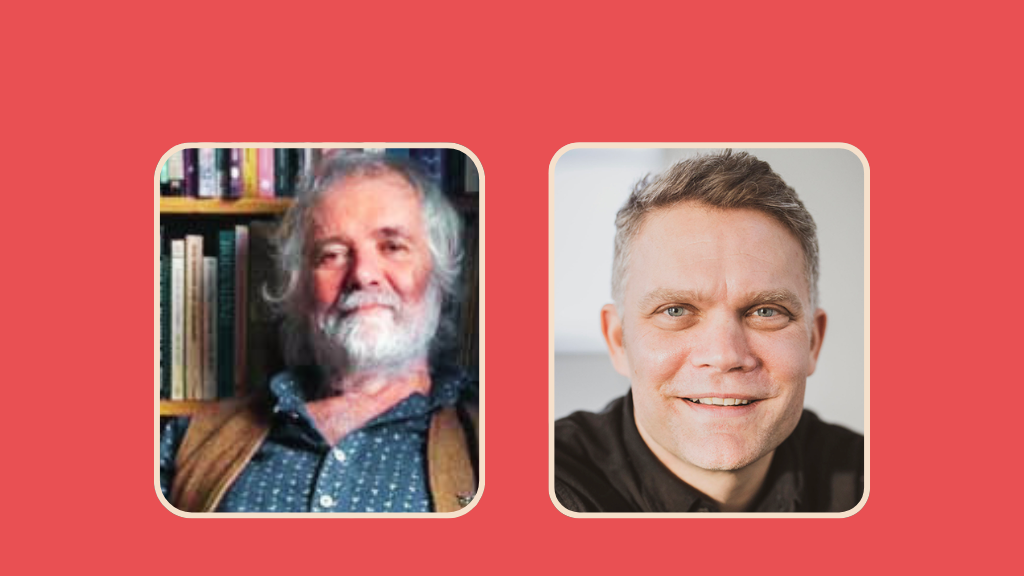
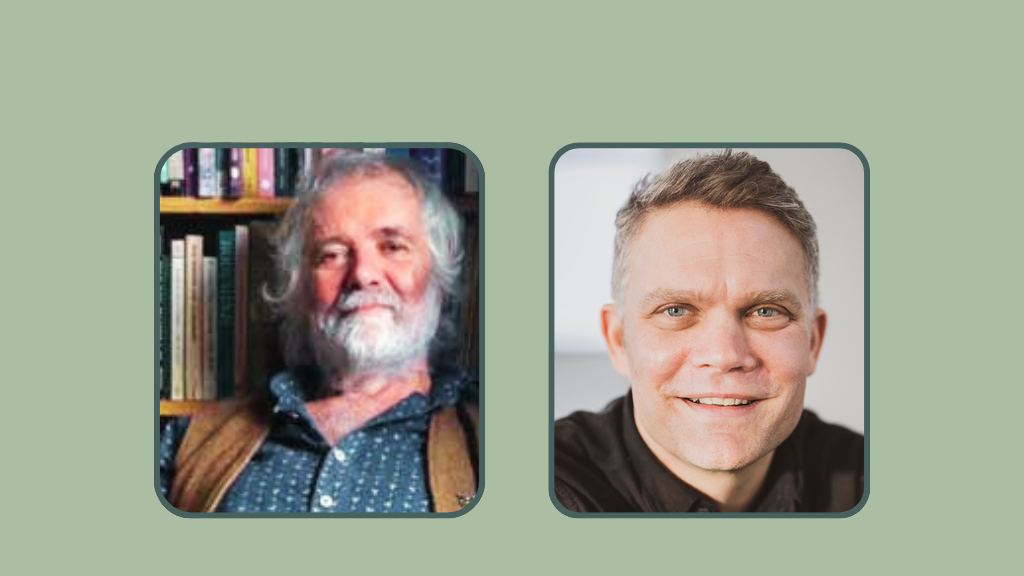
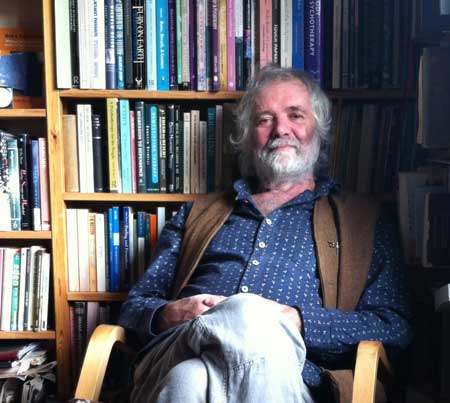
Nick Totton is a pioneering body psychotherapist, supervisor and trainer, known for developing Embodied‑Relational Therapy and for his writing on Wild Therapy, embodied relating and the deconstruction of “normality” in psychotherapy. He is joined by Robert Rees, an experienced psychotherapist and trainer who has previously taught embodied and trauma‑focused approaches with The Grove.

Wildness, embodiment & CPD with Nick Totton

Nick Totton

Therapist, supervisor, author, trainer and workshop leader

Nick Totton is a pioneering figure in the field of embodied psychotherapy.

Robert Rees

Director

Dip (Psych, Trauma, Supvn) MUKCP MBACP

Event details

  • Date:27 November 2026
  • Time:2:00 pm - 4:00 pm (2 CPD hours)
  • Fee:Starting from £30 (VAT included)
  • Location:Live on Zoom, recordings available for purchase
Purchase tickets
Do you have a question? Get in touch with a member of the team who will be happy to help

Subscribe to our newsletter

Sign up to hear from us about our courses, community, and events


Professional endorsements are peer endorsements from verified practitioners who have direct experience of someone’s clinical or professional work. They provide insight beyond qualifications alone, helping visitors understand how a practitioner shows up in practice – including their integrity, competence, and professional presence. All endorsements are checked and moderated by The Grove, are non-anonymous, and can only be given by practitioners. Client testimonials, star ratings, and promotional reviews are not permitted, ensuring endorsements remain ethical, considered, and trustworthy.