
Robert Rees
Chief Executive & Clinic DirectorMUKCP MBACP
The Body Psychotherapy Series offers concise, bitesize CPD, with four 2-hour sessions spread across the year.
Over four live webinars, Nick Totton and Robert Rees will explore how any therapist, regardless of primary modality, can weave the essence of body psychotherapy into their day‑to‑day practice. Across the series, we will study four distinct but interlocking models of body psychotherapy - adjustment, trauma discharge, relational and process‑oriented ways of working - each of which may be most helpful at different points in the therapeutic journey.

The Body Psychotherapy Series is a new four-part CPD pathway under The Grove Series banner – a sequence of focused, practice-based webinars designed to deepen your work in real clinical settings.
Each webinar can be booked as a standalone event, or you can enrol for the full Body Psychotherapy Series as a discounted packaged course.
Given that we are all bodies, what defines body psychotherapy?
One answer is our conscious awareness of being a body, and a sustained attention to what the body is experiencing, especially how our own body is affected by our client’s. Rather than treating the body as background, body psychotherapy brings it to the foreground of clinical attention, as a primary way that relationship, trauma, history and possibility show up.
Over four live 2‑hour webinars, body psychotherapy pioneer and author Nick Totton and psychotherapist and embodied practice trainer Robert Rees will explore how to include the body more confidently in your existing practice. The series is practical and grounded: you’ll hear clear explanations of the four models, see how they work in clinical examples, and be invited to notice your own body in real time as a clinical resource.
The focus is on integration rather than allegiance. Whether you identify as psychodynamic, humanistic, integrative, CBT‑informed or relational, you’ll find ways to weave body‑based awareness into what you already do. Each session stands alone, but together they offer a coherent arc: from early “adjustment” approaches, through trauma discharge, into process‑oriented spontaneity and the embodied relational field.
Across the series we’ll study four different but interlocking models of body psychotherapy:
Each model offers a different way of including the body in psychotherapy, and each may be most appropriate with particular clients or at particular points in the work. You can attend individual sessions, or treat all four as a structured pathway into body psychotherapy ideas and skills.
All on Zoom, 14:00-16:00 (UK time)
Book individual events for £30 (attendence only) if you prefer to only attend selected topics, or purchase the full series as a bundled CPD course for a discounted rate of £120 (includes CPD certificates and recordings).
To only purchase selected sessions, follow the links above to any event and click ‘Purchase Tickets’.
An extremely helpful, concise sharing of wisdom. Thank you so much.
Across the series, we will study four distinct but interlocking models of body psychotherapy – adjustment, trauma discharge, relational and process‑oriented ways of working – each of which may be most helpful at different points in the therapeutic journey. Together we will look at breath, posture and movement; the discharge and integration of trauma; how two bodies shape the relational field; and how to follow what arises spontaneously in the moment.
In this first session we’ll explore embodiment as the ground of psychotherapy and sketch out all four models we’ll meet across the series. We then look more closely at the Adjustment model – historically the earliest body psychotherapy approach – which offers clients new ways of holding themselves, moving and breathing to allow greater energy and relaxation. We’ll also consider its pitfalls, including how to avoid slipping into “fixing what’s wrong” with someone’s embodiment, and instead use adjustment to open space for new ways of living.
Details
The Trauma/Discharge model works with a core metaphor: expelling a splinter that has created painful inflammation around itself. Here, the practitioner’s role is to support and encourage a natural healing process through emotional abreaction and the release of feelings locked into rigid musculature and nervous system patterns. We’ll look at how to work with discharge gently and gradually, within a strong therapeutic container – avoiding retraumatisation and focusing on clients’ strength and competence as they manage and integrate traumatic experience rather than simply relive it.
Details
The Relational model treats embodied relating as the ground of all psychotherapy, including talking therapy. We’ll attend closely to how the client’s and therapist’s bodies affect each other, and how bodies can cue each other into familiar interactional scripts learned early in life. Many therapists notice how differently they feel and behave with different clients; this session offers a way to think deeply about those differences and to use the responses you track in your own body to shape and direct the work. The guiding image is an improvised dance in which neither partner leads, but the pattern is co‑constructed.
Details
The final session takes the idea of supporting a natural healing process even further. In its pure form, the Process‑oriented model drops the idea of “healing” altogether, along with the assumption that anything is wrong. Working very much in the present moment, the therapist welcomes whatever occurs as the right thing – allowing the client’s bodymind to act rather than be acted on, and to generate motifs freely and playfully. The ruling metaphor is a river that, once undammed, flows powerfully to the sea. We’ll explore what it means to let go of fixed theory and normality, to assume that trauma and misadjustment will self‑repair given any real opportunity, and to treat even the wildest events in the room as potentially part of that process. We’ll also have time to think about how to integrate all four models in everyday practice.
Details

In this inspiring conversation, Totton and Rees explore how reconnecting with the body’s innate wildness deepens relational psychotherapy, fosters authentic expression, and supports transformative healing.

Totton and Rees explore how contacting the body’s spontaneous, “wild” nature transforms relational psychotherapy, helps clients reclaim experiences that have been pathologised or silenced and opens space for more truthful, embodied ways of being.
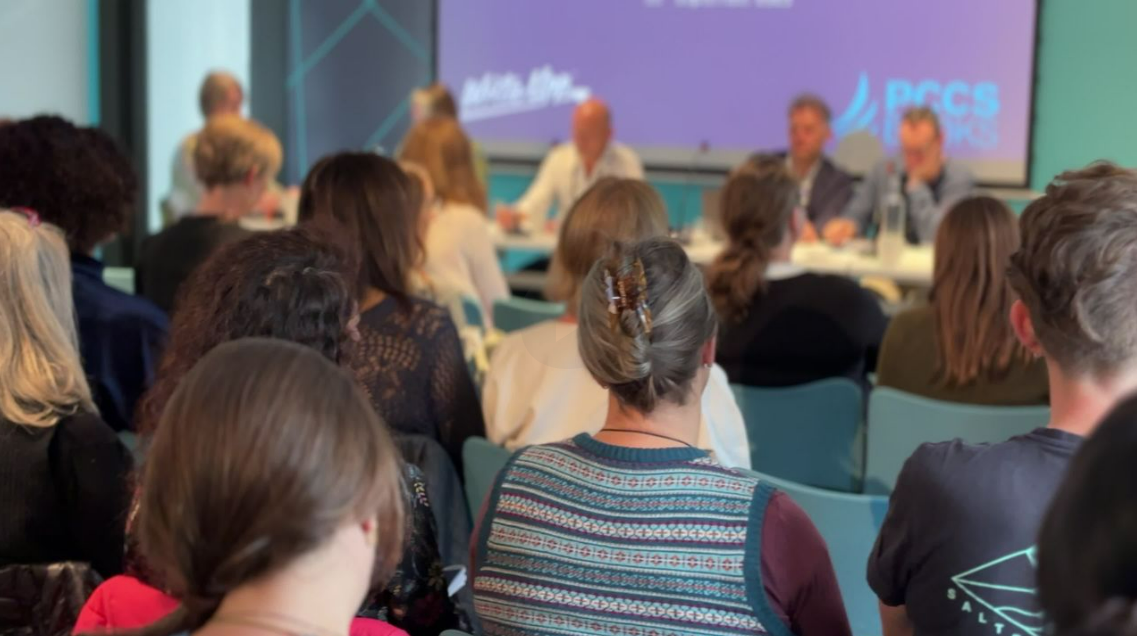
We’re thrilled to welcome Nick Totton as a keynote speaker at our Autumn 2026 CPD Conference, Friday 11 September in London or for free online. Together we’ll explore how wildness, embodiment and relationship can revitalise your clinical work.
Nick Totton offers something radical for all practising therapists to consider. He challenges conventional ideas about attachment, containment, holding, safety and boundaries. Wildness is understood not as a cure but as a much-needed corrective to the rigidities of our one-sided civilised and mature selves.
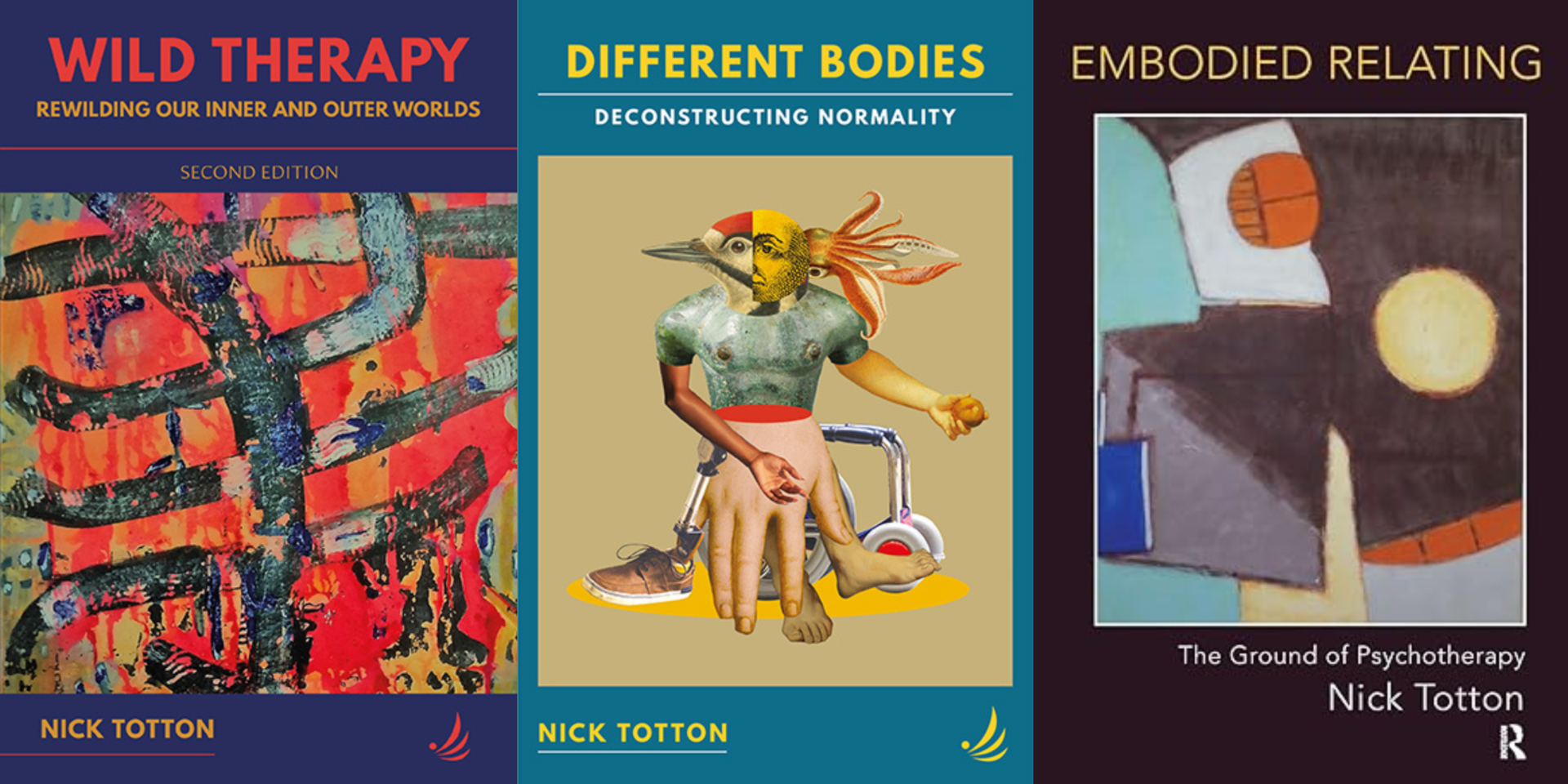
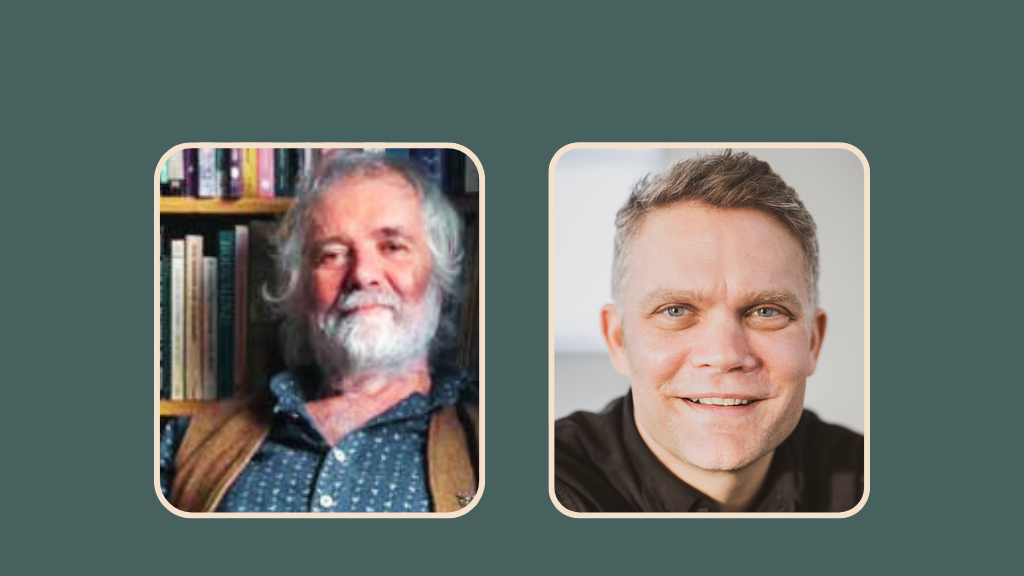
Nick Totton is a pioneering body psychotherapist, supervisor and trainer, known for developing Embodied‑Relational Therapy and for his writing on Wild Therapy, embodied relating and the deconstruction of “normality” in psychotherapy. He is joined by Robert Rees, an experienced psychotherapist and trainer who has previously taught embodied and trauma‑focused approaches with The Grove.
MUKCP MBACP
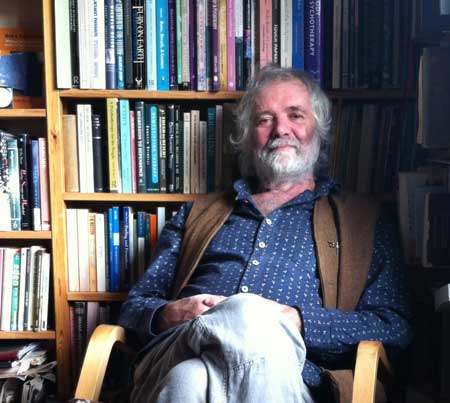
Nick Totton is a pioneering figure in the field of embodied psychotherapy.
This webinar introduces the Adjustment model, exploring how breath, posture and movement shape clients’ emotional lives and how small, consent‑led changes can open more embodied space in therapy.
The Body Psychotherapy Series
Session 1 of 4
Friday 6th November
14:00-16:00 (UK)
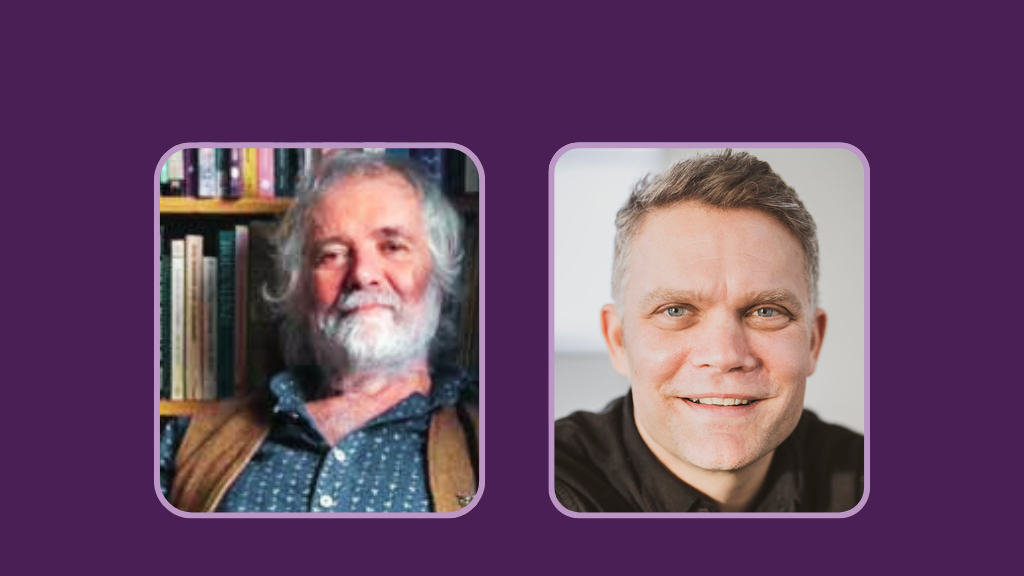
This session focuses on the Trauma/Discharge model, showing how to recognise and safely support somatic release of stored survival energy without tipping clients into re‑traumatisation.
The Body Psychotherapy Series
Session 2 of 4
Friday 27th November
14:00-16:00 (UK)
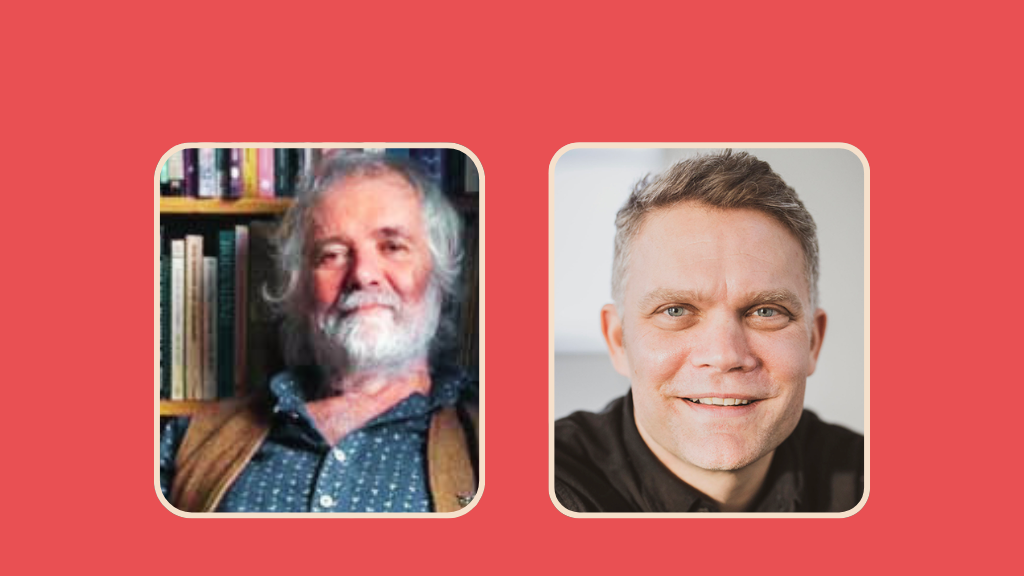
This webinar explores the Relational model, highlighting how two bodies co‑create the therapeutic relationship and how your own embodied responses can become vital clinical information.
The Body Psychotherapy Series
Session 3 of 4
Friday 4th December
14:00-16:00 (UK)
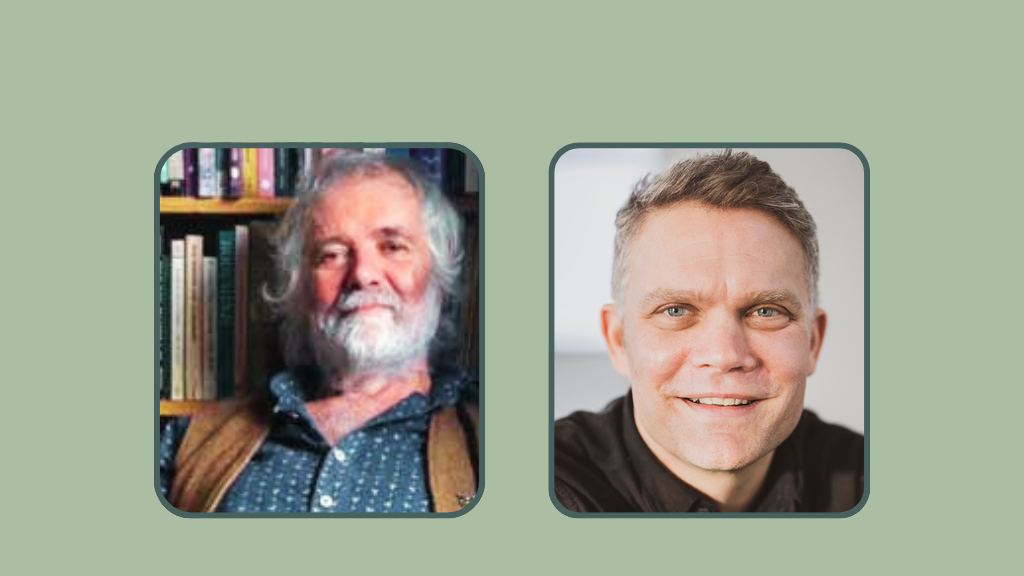
This final session of four sessions looks at the Process‑oriented model, inviting you to follow spontaneous bodily process in the moment and trust the bodymind’s capacity for self‑organisation within a solid therapeutic frame.
The Body Psychotherapy Series
Session 4 of 4
Friday 8th January
14:00-16:00 (UK)
Monday 1st December 2026
6:30-7:45pm (UK time)
Online via Zoom
£25 (inclusive of VAT)
Join us for an accessible, high-quality session that brings clarity to one of the most important, and often confusing, aspects of ADHD treatment. Discover how ADHD medication works, what to expect, and how to make confident, informed choices about treatment.
Register now